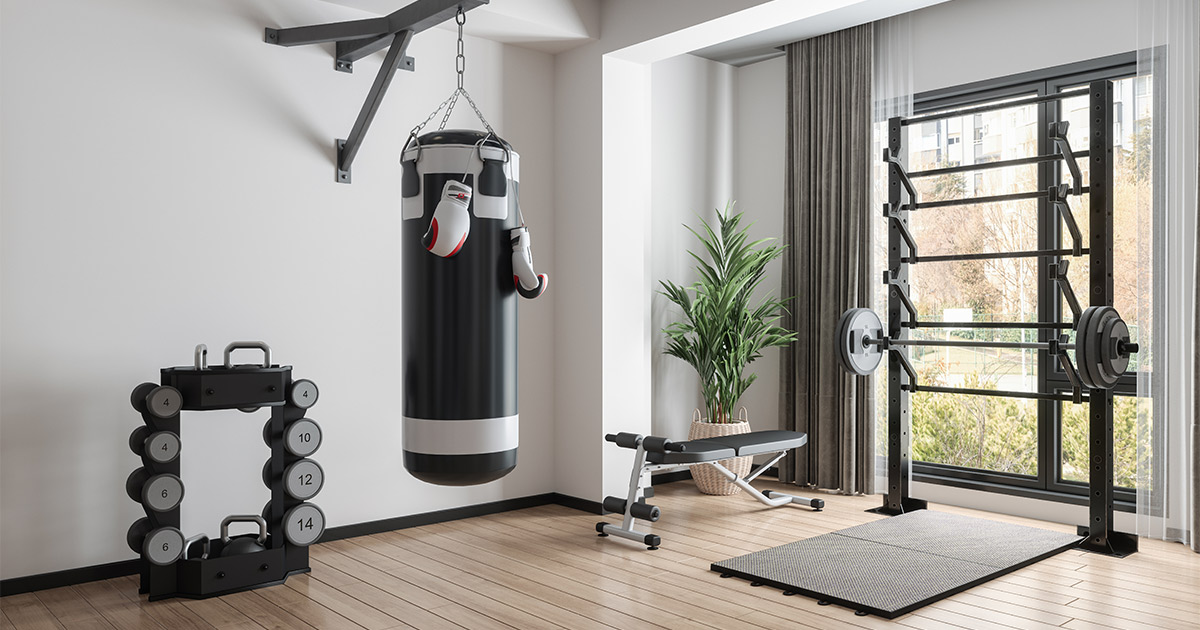
If you love working out, chances are your fitness equipment is part of your daily routine, and working with a professional long distance moving company can help you move it safely and efficiently. Maybe you’ve set up a mini gym in your home or apartment, and now, with a long distance move ahead, you’re faced with the challenge of moving all your gear. Whether it’s the treadmill in your basement, a rack of weights in your living room, or a yoga ball by your desk, you might be asking, “How am I going to move all this? It’s heavy and awkward!”
It’s totally normal to feel unsure about moving your fitness equipment. But the good news is, with some care and planning, you can move everything safely and without stress. At National Van Lines, we’ve helped many families move their fitness gear and learned a lot along the way. This article will show you the best way to prepare and handle fitness equipment moving safely and efficiently.

Why is fitness equipment moving more difficult during an interstate move?
How you got your fitness equipment in the first place can make a big difference when it’s time to move it. Bigger machines— like treadmills or exercise bikes— are often delivered and professionally set up. Smaller gear, like yoga mats or hand weights, may have been picked up from a store or shipped to your door. Some pieces, like inflatable yoga balls or adjustable dumbbells, even require special steps just to make them usable. Fitness equipment isn’t like your average household item and requires more planning during a long distance move.
Here are some common reasons as to why that’s the case:
Heavy and Bulky
Equipment like treadmills, ellipticals, or weight machines are hard to lift and even harder to fit through doorways or tight hallways. You may not realize how tough these machines are to move until you’re staring at them on moving day.
Awkward Shapes
Fitness gear doesn’t always fit neatly into a box. Dumbbells, medicine balls, and foam rollers may not be big, but they’re bulky, oddly shaped, and tough to stack. The heavier the item, the trickier it is to move without damaging it—or yourself.
Electronics and Fragility
Modern machines often have screens, motors, or tracking systems built in. These parts are fragile and can be damaged if they aren’t packed with extra care.
Care and Maintenance
Fitness gear needs regular upkeep—like oiling a treadmill or checking bolts on a spin bike. If something hasn’t been maintained, it’s more likely to break during the move.
All this setup, cleaning, and maintenance pays off when you’re using the equipment—but it also means extra steps when it’s time to pack and transport it. Knowing the challenges ahead of time gives you a much better chance of moving it safely.
How do I prepare fitness equipment for a long distance move?
Once you’ve picked, set up, and taken care of your fitness gear, it’s time to prepare for a long distance move. A little prep goes a long way when it comes to moving heavy or fragile gear. Like setting it up in your home, getting it ready for moving day involves a few important steps. Taking some time to prepare will make the move easier and help protect your equipment from damage. Keep these quick tips in mind as you prep your machines and tools:
Disassemble When Possible
Start by taking apart larger machines, like treadmills or ellipticals. Some treadmills fold up, which helps save space. Remove any loose parts, like the console or pedals, to make the equipment easier to carry and pack. If you’re not sure how to take something apart, check the manual or visit the manufacturer’s website for step-by-step instructions.
Clean and Inspect
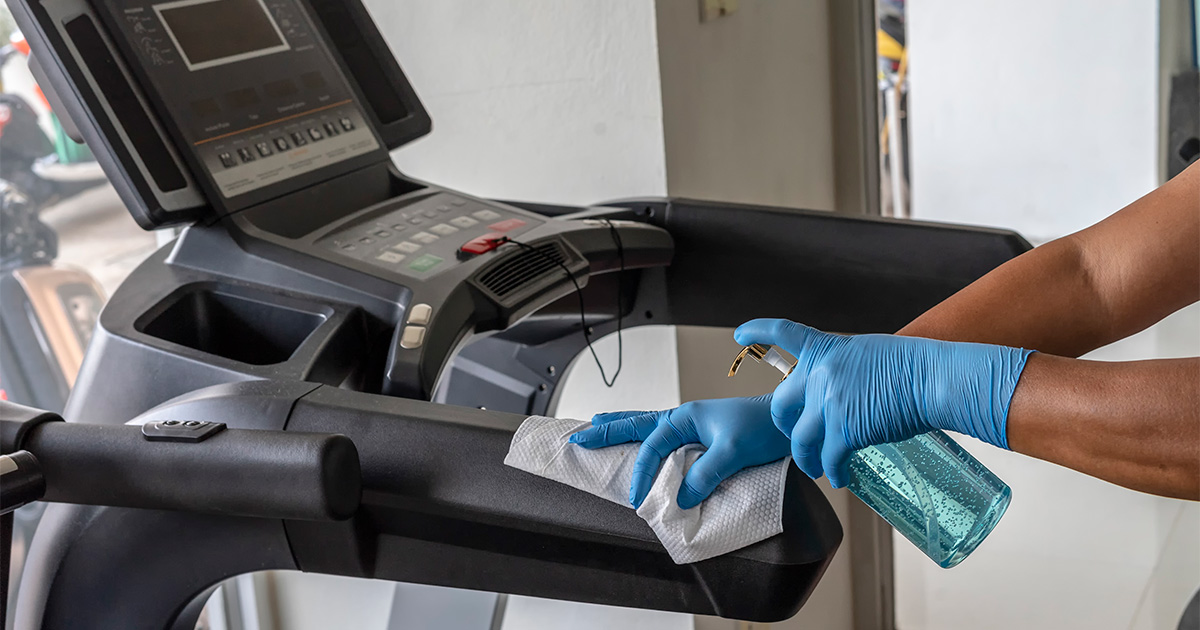
Before packing, give everything a good wipe-down. Dust, dirt, and sweat can build up over time, especially around moving parts. This is also the perfect moment to check for any loose screws, cracks, or other wear-and-tear. Fixing small issues now can help prevent bigger problems during the move.
Protect Electronics and Fragile Parts
If your equipment has a screen, motor, or other electronic parts, pack them with extra care. Bubble wrap, foam, or thick moving blankets are your best friends here. If you still have the original box, use it—it’s built to protect the equipment.
Distribute Weight Evenly for Smaller Items
Items like dumbbells, kettlebells, and weight plates can be tricky to pack. Don’t load all your weights into one box. Spread the weight across several boxes to make lifting easier and avoid injury.
When should I hire fitness equipment movers for a long distance move?
When moving fitness equipment, you need to decide whether to use a long distance moving company or hire specialized fitness equipment movers. Keep in mind that without proper professional handling, you might damage your equipment… or injure yourself by moving these heavy, awkward objects. A regular moving company can handle most items, but as we’ve learned here, fitness equipment comes with extra challenges. Here’s when to use a moving company— and when to consider fitness equipment movers for certain items.
When a Moving Company Can Handle It:
- Smaller items: If you’re moving lighter items, like dumbbells, yoga mats, or compact exercise bikes, a moving company can usually handle them. These are less bulky and don’t need special care like bigger machines.
- Disassembled equipment: If you’ve already taken your machines apart, like folding a treadmill or packing up adjustable dumbbells, a regular moving company can handle the transport easily. Just make sure everything is packed and ready to go.
- DIY tasks: If you’re comfortable cleaning, disassembling, and protecting your equipment, a regular moving company can take care of the rest. The key is making sure your gear is prepped and safe to move.
When to Consider Fitness Equipment Movers:
- Heavy, bulky equipment: If you have large items, like treadmills or weight machines, it’s worth considering making use of a fitness equipment mover. These experts know how to move heavy, awkwardly shaped items and make sure they don’t get damaged in the process.
- Electronics and delicate parts: If your equipment has electronics— like touchscreens, motors, or sensors— these kinds of movers can help pack and transport them safely. They know how to protect these fragile parts during the move.
- Complex equipment: If you have a custom-built home gym or specialized machines, fitness equipment movers are the way to go. They’re experts at handling intricate setups and making sure everything is reassembled correctly once you’re settled in your new home.
How do I safely transport fitness equipment during a long distance move?
Now that you know how to prepare your fitness equipment for the move, you’re probably wondering about loading the truck on moving day. If you’re moving everything yourself, start by placing large items, like treadmills, at the front of the truck. This keeps them from crushing smaller items. Secure everything with straps to keep it from shifting during transport.
If you hire a moving company, they’ll have a plan and the tools to load everything safely. Once you reach your new home, carefully unload the equipment. Take your time and put everything in the right spot before reassembling it.
After unloading, follow the instructions to put everything back together. Make sure all parts are securely fastened before using your machines. If you run into problems during reassembly, don’t hesitate to ask a professional for help.
How can I plan a successful fitness equipment moving process?
Whether you work out daily or just enjoy staying active, moving your fitness equipment to your new home is an important part of your move. With some planning, the right preparation, and help from professionals if needed, you can make sure your gear gets there safely. Then you can keep up with your workouts in your new place.
You’re now informed and ready to make a plan about how you’ll move your fitness gear. But, what about getting help with packing your fitness gear… or your other stuff? We’ve got the facts on professional packing vs. DIY packing.
In this article, we covered how to prepare, transport, and protect your equipment so you can complete your fitness equipment moving process with confidence. If you are interested in learning more, request a personalized quote to see how our long distance moving company can support your move.