
Planning a long distance move isn’t just about loading a truck and hitting the road. If you’re moving from New York to Los Angeles, Chicago to Dallas, or even across several states for a new job or school, you might not be able to move into your new home right away. That’s where storage for moving becomes essential. Having a safe, clean, and secure place for your belongings gives you peace of mind while you’re in between addresses.
At National Van Lines, we’ve been guiding families through long distance moving for nearly 100 years. We know that having reliable storage can make all the difference during big life transitions. Whether you need a short break between closing dates or months of storage while you settle in, understanding your options helps you plan with confidence.
In this article, you’ll learn:
- What storage for moving means
- Why storage is often needed during long distance moving
- The different types of storage options available
- How movers handle storage during a long distance move
- Tips and questions to consider if you’ll need storage
What is Storage for Moving?
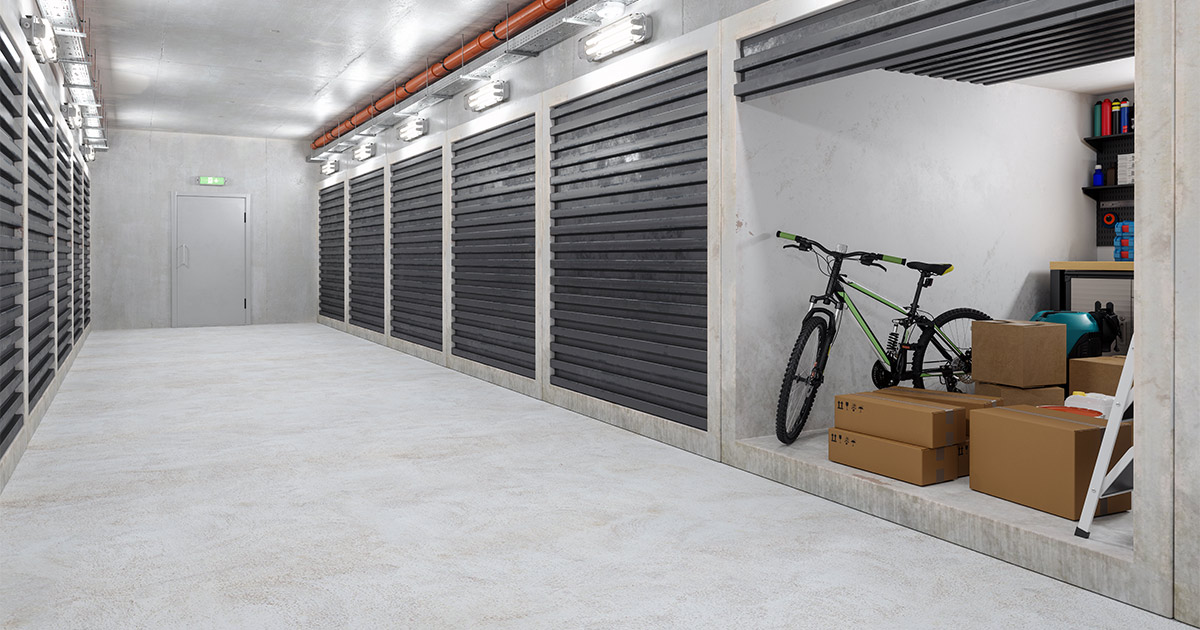
Storage, at its most basic, is simply extra space where you can safely keep belongings outside your home. People rent storage units for many reasons, such as holding onto furniture that doesn’t fit, storing seasonal items, or keeping cars and equipment protected.
When it comes to moving, storage takes on a more temporary role. Instead of being indefinite, it acts as a holding place for your belongings during the transition from one home to another. Your movers load your items, place them in secure vaults or containers at a facility, and then deliver them once you’re ready to move in.
This is especially valuable in long distance moving, where schedules don’t always match up. If you’re leaving New York but your new home in Los Angeles won’t be ready for two weeks, storage becomes that bridge between addresses, keeping your belongings safe, clean, and protected until the timing works out.
Why Storage is Common in Long Distance Moving
Many people don’t plan on using storage when they first start organizing a long distance move, but certain situations make it a practical necessity. Common examples include:
- Timing gaps: Moving out before your new place is ready.
- Job relocations: Starting work in a new city while still searching for housing.
- Downsizing: Adjusting to a smaller space and needing extra time to sort belongings.
- School or military schedules: Needing flexible options during set timelines.
These scenarios highlight why storage is such a frequent part of long distance moves. It offers flexibility when your personal and housing timelines don’t match.
Types of Storage for Moving
Not all storage services are alike, and the right one depends on your situation. Short-term storage is designed for moves where you only need a few days or weeks of coverage, such as waiting for a lease to begin or finishing renovations before moving in.
Long-term storage is best for bigger transitions that may take months to finalize. This often applies when you’re relocating for a new job and still searching for a permanent home.
Climate-controlled storage offers extra protection by maintaining steady temperature and humidity. It’s especially helpful for electronics, instruments, artwork, or family heirlooms. If you’re moving long distances between very different climates (such as humid Florida to dry Nevada) this option can give you peace of mind.
How Movers Handle Storage During a Long Distance Move
When storage is included in your move, the process is designed to be seamless. Unlike renting a self-storage unit and managing the heavy lifting yourself, your moving company handles everything from start to finish. The same crew that packs and loads your belongings also takes responsibility for keeping them secure until you’re ready for delivery. This keeps the chain of custody simple and gives you peace of mind that your items won’t be shifted around or handled by multiple providers.
Here’s what that process usually looks like:
- Movers load your belongings at your home.
- Items are transported to a warehouse or storage facility.
- Everything is packed into secure vaults or containers.
- When you’re ready, the items are reloaded and delivered to your new address.
The benefit of using your moving company’s storage is that it’s all handled by the same team. You don’t have to coordinate with multiple providers, and your belongings stay in professional care from start to finish.
Tips for Using Storage in Your Long Distance Move
Making storage part of your long distance move doesn’t have to be complicated. With a few practical steps, you can keep your belongings organized and avoid common headaches along the way.
- Label with detail, not just a room name. Instead of writing only “kitchen,” include specifics like “winter coats” or “extra bedding” so you’ll know exactly what’s inside.
- Keep essentials and valuables with you. Documents, medications, jewelry, and daily necessities should stay by your side rather than going into storage.
- Share your timeline early. Let your movers know if your dates are firm or flexible so they can plan storage and delivery accordingly.
- Ask how access works. Some facilities allow you to retrieve items before delivery, while others don’t. Clarify this up front to avoid surprises.
By taking these steps, you’ll not only protect your belongings but also make the storage process feel like a natural extension of your move instead of an added stress.
Questions to Ask About Storage for Moving
Before choosing any kind of mover with storage services, it helps to ask a few key questions so you know exactly what to expect.
- Find out how items are stored and secured, and whether the facility offers climate-controlled options. This ensures your belongings are safe from damage or extreme weather.
- Inquire about the security measures in place, as well as the process for insurance coverage while items are in storage. Knowing these details up front gives you confidence that your possessions are protected.
- You’ll also want to clarify how long you can store items and what happens if your plans change. Flexibility matters when you’re moving across long distances and dealing with unpredictable timelines.

Storage for a Smoother Move
Families relocating across the country face numerous challenges, and storage often plays a larger role than expected. However, reliable moving companies can manage both transportation and storage together, giving you fewer details to worry about.
As you look ahead to your own journey, storage might become an important part of your long distance move. Whether you’re relocating for a job, school, or even a bold new start, secure and flexible storage bridges that gap between the old and the new. By planning ahead, asking the right questions, and using storage wisely, you’ll be rewarded with an organized and confident start in your new home.
You just learned about how storage for moving works, and the role it plays in a long distance move. If you’re planning to use a storage room, you’re probably also curious about how to pack for it. Before you break out the boxes and tape, read our piece on if DIY or professional packing is the right choice for you.