
Planning a move often starts quickly. One day everything feels normal. The next day you are thinking about boxes, timelines, and what comes next. Working with a professional long distance moving company can help you stay organized from the beginning.
Early on, most people are not ready to make big decisions. They just want to know where to begin.
National Van Lines is an experienced interstate movers service that has helped people plan long distance and cross country moves for nearly 100 years. This experience shows that the earliest steps matter most.
A calm, informed start makes the rest of the process easier to manage. Here are four helpful tips to get you started.
Moving Tip 1: Get to know what will change when you move, and what will stay the same
Before you start your planning, take a step back and look at the logistics themselves. Ask a few simple questions. Where are you going? Is this move tied to work, school, or family? Are you moving alone or with others?
You do not need every answer yet. The goal is to understand the shape of the move. Knowing what is changing helps you avoid planning in the dark. Knowing what is staying the same, like your job or daily routine, can make the move feel more manageable.
This kind of clarity gives your planning a foundation instead of letting it feel scattered.
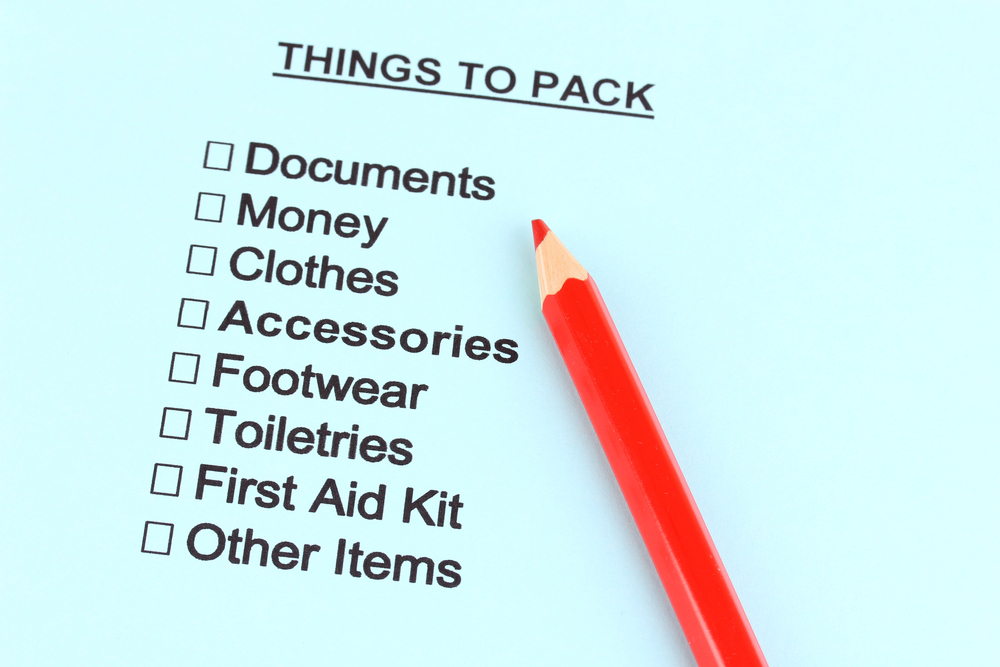
Moving Tip 2: Start a short, flexible planning list
Early planning does not need to be detailed. In fact, long lists can make things feel heavier than they need to be. Start with a short list that captures only the big picture.
This might include things like researching moving options, noting key dates you already know, or identifying items that will need special care. Think of this list as a living document. You will add to it later as the move becomes more defined.
One of the most useful tips for moving is to keep early planning light. You are creating space to think, not locking yourself into decisions.
Moving Tip 3: Learn the basics of how long distance moves work
Many people feel overwhelmed because they do not yet understand how a long distance move works. Taking time to learn the basics can reduce that stress quickly.
This does not mean comparing companies or diving into fine print. Instead, you’ll want to understand the general flow of a move. For example, long distance and cross country moves involve planning, coordination, and timing that differ from local moves.
When you understand the process at a high level, it becomes easier to ask better questions later and feel more confident as you move forward.
Moving Tip 4: Give yourself permission to move slowly at first
It is common to feel pressure to act right away. In reality, early planning is about awareness, not speed. You are allowed to pause, gather information, and let things settle before taking the next step.
Some of the best tips for moving are about mindset. A steady start helps you make clearer decisions later, when details matter more. Rushing too early often leads to confusion and unnecessary stress.
How do I set myself up for success when planning a move?
As you move from the idea of moving into actual planning, these first steps help you feel grounded. In the past, moving often began with limited information. Today, you have access to clearer guidance and better tools. Right now, your job is simply to get oriented.
You now have a clear starting point and understand the first steps that make planning a move feel more manageable.
Start by outlining your timeline and exploring your moving options so you can build a plan that fits your needs. Then, continue with our ultimate checklist for moving to another state to stay organized and move forward with confidence. If you’re ready to start planning, you can connect directly with our team to get a free moving quote today.